


By Dalma Novak, 2025 VP Technical Activities
Like many other IEEE members, I consider the IEEE to be my professional home. After starting my PhD studies at the University of Queensland, my advisor strongly recommended that I join the IEEE as a student member. It was going to be IEEE journals and conferences to which I would be submitting my research papers, and IEEE membership was a key part of ensuring success in my career advancement. It was ‘IEEE’ in the title of a publication or conference that was the mark of its quality. Later, after graduating, as an academic, I continued to look to the IEEE’s extensive range of publications to support my career needs, both as an author and access to knowledge. Submitting papers and presenting at global IEEE conferences made me keenly aware early in my career of the important role that IEEE meetings play in enabling networking opportunities. I was able to meet and learn from technical experts from all over the world and also form lasting connections with many of my peers. Several of the professionals I met became informal mentors who helped guide me in my career development and offered ongoing support and advice, as well as valuable introductions.
The Power of Volunteering and Local Engagement
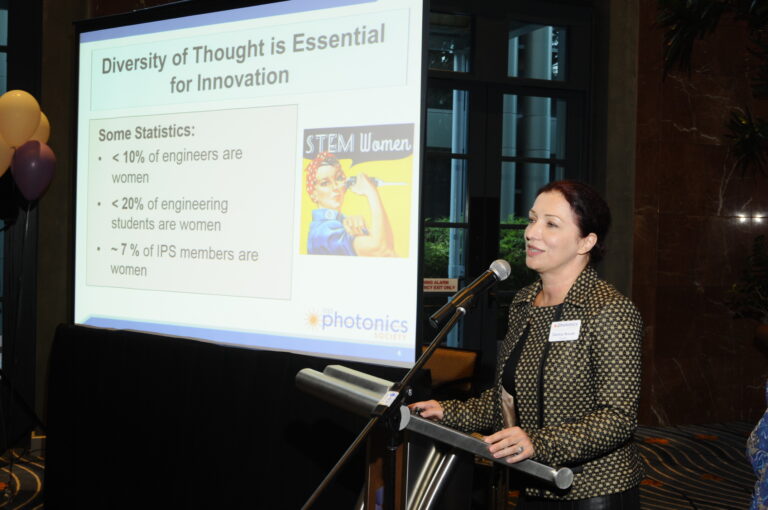
It was after joining the University of Melbourne in the early 1990s and getting involved with the local Victorian Section that I also realized how the IEEE supports my career growth through volunteering opportunities. I helped to establish the local Chapter of the IEEE Photonics Society (then known as the IEEE Lasers and Electro-optics Society), and several of the events that the Chapter organized were talks given by the Society’s Distinguished Lecturers (DLs). As Chair, I was responsible for coordinating the DL visits and had the opportunity to learn directly from these accomplished people, not just as technical experts but as role models. In a different volunteer role, I served as General Chair of a major conference that the Chapter co-sponsored and organized in Melbourne. This allowed me to work closely with invited speakers and attendees from around the world, several of whom would later play a significant role in what would become a major career transition for me.
Transitioning from Academia to Industry
My move from Australia to Maryland in the USA in 2001 came by way of US-based colleagues in similar technical fields that I had met while networking at IEEE conferences. It was these particular individuals who encouraged me to explore a role in Industry and gave me the opportunity to advance my career while learning new skills and taking on new challenges. The IEEE continued to be an integral part of my professional identity during this career transition to a very different work environment. I was still able to attend IEEE conferences and relied heavily on IEEE technical resources for the information I needed to carry out my work, leading a multidisciplinary technical team for the first time. I also began to explore other IEEE resources that focused on business-related topics, which helped me learn about effective management practices and leadership skills.
Embracing Entrepreneurship
After two years in a venture-backed startup, my career would pivot again with the opportunity to don an entrepreneurship hat as a co-founder of a technology company. Networking is especially important as a small business owner, and the IEEE continued to support me as I navigated the challenges of entrepreneurship. It was during this time that I realized the value of the exhibitions associated with the flagship IEEE conferences I attended regularly. Identifying the best-performing COTS components was critical for the development of our company’s products, and the exhibits offered the perfect environment for carrying out market research and discovering these new solutions.
Giving Back: Supporting Industry Members
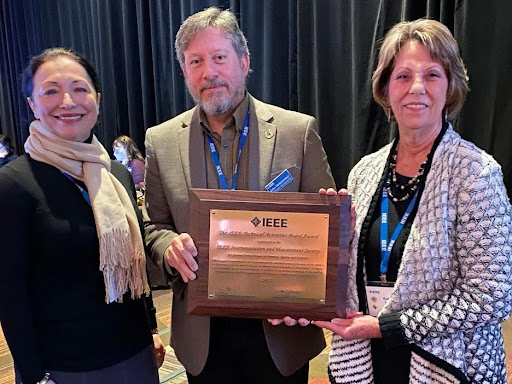
Since the founding of my company, I have continued to make time for my volunteering activities and have become particularly passionate about the IEEE supporting the needs of its industry members. In addition to the IEEE Industry Engagement Committee, which facilitates and coordinates activities that strengthen links between IEEE and industry professionals, many Societies and Councils have established dedicated programs for their industry members. After my term as President of the Photonics Society ended a decade ago, I helped to establish a new Industry Engagement Committee, which works to engage photonics industry professionals with the Society through industry-focused programs, events and initiatives as well as recognition for achievements. The IEEE Entrepreneurship Committee was also established a decade ago to support the needs of technology entrepreneurs and foster an entrepreneurial culture within the IEEE community.
Looking back, the IEEE has always provided the environment, resources, and opportunities to support the needs of my professional life and help successfully navigate the career transitions from academia to industry and entrepreneurship. The volunteering opportunities have also provided additional pathways for professional growth as well as great satisfaction in being able to contribute to the development of IEEE resources that are valuable for our global community.
2 Responses
It is a very informative article. But I am not sure, if each IEEE technical area e.g. IEEE Comsoc, IEEE Computers, IEEE Networking, IEEE VTC etc., have some initiatives for IEEE life members who just retired to be academically active in IEEE societies etc.
Nice